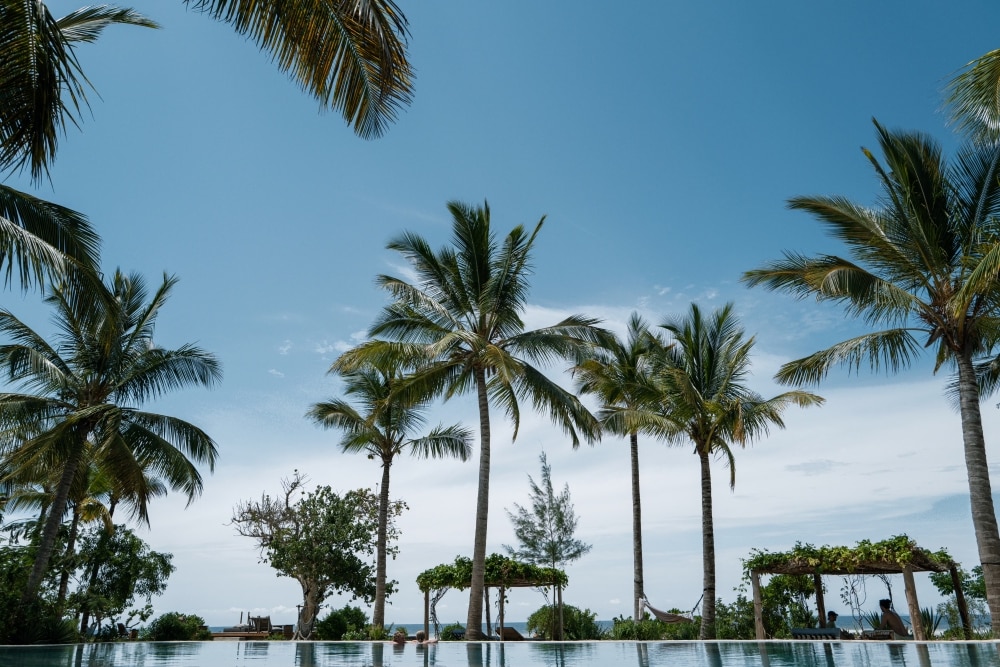

Solo Centrum
Surakarta
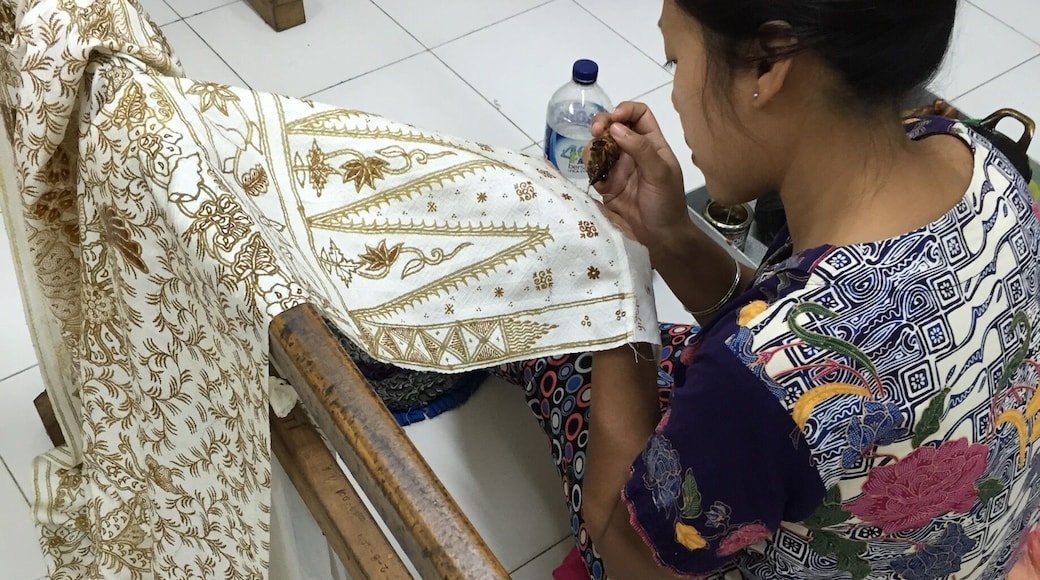
Besøg Solo Centrum
Overnat nær populære seværdigheder i Solo Centrum
Oplevelser

Solo Vintage-tur med Sukuh & Cetho-templet fra Yogyakarta
753 kr.
pr. rejsende
Mest populære hoteller i Solo Centrum

Novotel Solo
Jalan Slamet Riyadi 272 Surakarta Central Java
Prisen er 227 kr. pr. nat fra 18. sep. til 19. sep.
227 kr.
18. sep. - 19. sep.
inkluderer skatter og gebyrer
Overnat på dette hotel med spa i Surakarta. Nyd godt af gratis Wi-Fi, gratis parkering og 2 udendørs pools. De populære seværdigheder Danar Hadi og Radya Pustaka ...
8,2/10 Meget godt! (122 anmeldelser)
"We stayed at both Mercure and Novotel during our trip, expecting the standards associated with the Accor brand. Unfortunately, both experiences were disappointing. Before arrival, we requested a quiet room as we had been traveling extensively and needed proper rest. Instead, we received a room with ..."
Anmeldelse fra 10. sep. 2026

The Royal Surakarta Heritage - Handwritten Collection
Jalan Slamet Riyadi No. 06 Surakarta Central Java
Prisen er 214 kr. pr. nat fra 20. sep. til 21. sep.
214 kr.
20. sep. - 21. sep.
inkluderer skatter og gebyrer
Overnat på dette hotel med luksusfaciliteter i Surakarta. Nyd godt af gratis Wi-Fi, gratis parkering og spa med fuld service. De populære seværdigheder Mesjid ...
8,2/10 Meget godt! (174 anmeldelser)
"Was prima. Mooie Indonesische atmosfeer en ligging. Restaurant ook goed. Top!"
Anmeldelse fra 10. aug. 2026
ibis Styles Solo
Jalan Gajah Mada 23 Surakarta Central Java
Prisen er 173 kr. pr. nat fra 4. okt. til 5. okt.
173 kr.
4. okt. - 5. okt.
inkluderer skatter og gebyrer
Overnat på dette hotel med spa i Surakarta. Nyd godt af gratis Wi-Fi, gratis parkering og 2 udendørs pools. De populære seværdigheder Radya Pustaka Museum og ...

Horison Inn Laksana Solo
Jl Teratai 2 no. 11, Mangkubumen Surakarta Central Java
Overnat på dette hotel i Surakarta. Nyd godt af gratis Wi-Fi, gratis parkering og morgenmad. De populære seværdigheder Sriwedari Forlystelsespark og Radya Pustaka ...
6/10 (7 anmeldelser)
"It was a super bad experience staying there. At sround 2.06 pm, they said that the room was not ready! That didn't make sense at all. Then they gave a smoking room!!!! Which smelled totally terrible! Inside the room, of course there were some coffee and tea, but guess what? Yuup! No electric water ..."
Anmeldelse fra 22. mar. 2026
FIM by Zigna
31 Jl. Yosodipuro Surakarta Jawa Tengah
Prisen er 204 kr. pr. nat fra 21. sep. til 22. sep.
204 kr.
21. sep. - 22. sep.
inkluderer skatter og gebyrer
Overnat på dette hotel med spa i Surakarta. Nyd godt af gratis Wi-Fi, gratis parkering og spa med fuld service. De populære seværdigheder Mangkunegaran Palace ...
9,4/10 Enestående! (6 anmeldelser)
"The hotel is an excellent place to stay. The hotel itself is not special or fancy, but it is well-run, clean, and located in the center of Solo. The breakfast buffet is excellent, the restaurant is good, and the hotel also has a nice cafe with an outside seating area. They featured life music at ..."
Anmeldelse fra 19. jul. 2025

Loji Hotel Solo by Wstay
Jl. Hasanudin 134, Surakarta Surakarta Central Java
Prisen er 115 kr. pr. nat fra 17. sep. til 18. sep.
115 kr.
17. sep. - 18. sep.
inkluderer skatter og gebyrer
Overnat på dette hotel med spa i Surakarta. Nyd godt af gratis Wi-Fi, spa med fuld service og morgenmad. De populære seværdigheder Mangkunegaran Palace og Keprabon ...
7,2/10 Godt! (17 anmeldelser)
"The room and bed were big and comfortable, but no fridge and no safebox. Breakfast was really good, though. The hotel is very close to the Balapan train station, which is nice. It’s a decent budget place, but what makes me unable to recommend is because how dangerous the roads are around the hotel. ..."
Anmeldelse fra 12. sep. 2025
Den laveste pris pr. nat baseret på 2 voksne for 1 nat, som er fundet inden for de seneste 24 timer. Priser og tilgængelighed kan ændres uden varsel. Yderligere vilkår kan gælde.
Se tilgængelighed for hoteller i Solo Centrum
Besøg Solo Centrum
Find de bedste områder og kvarterer i Solo Centrum til dine foretrukne aktiviteter.
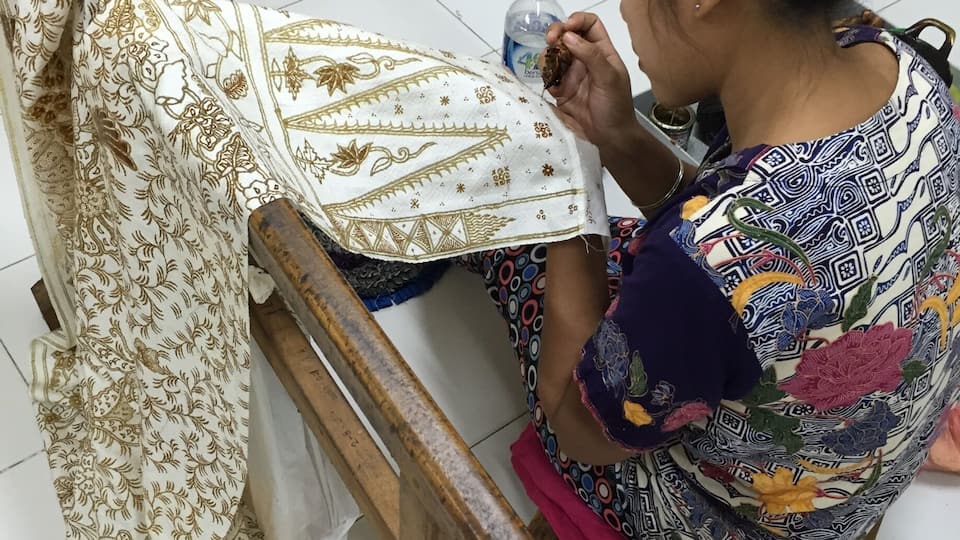
Billede taget af Sharrie Shaw
Offentligt billede af Sharrie Shaw
Banjarsari
Under dit ophold i Banjarsari kan du lægge vejen forbi seværdigheder som Solo Paragon Lifestyle Mall og Balekambang Bypark.
Laweyan
Selvom Laweyan ikke byder på mange store attraktioner, kan du udforske det omkringliggende område for at se seværdigheder som Solo Paragon Lifestyle Mall og Solo Plads.