For stærkt anbefalede hoteller i det 17. arrondissement kan du overveje
Paris j'Adore Hotel & Spa,
Dadou Paris,
Hôtel Les Jardins de La Villa,
Maison Albar Hotels Le Champs-Elysées og
Hyatt Regency Paris Etoile.
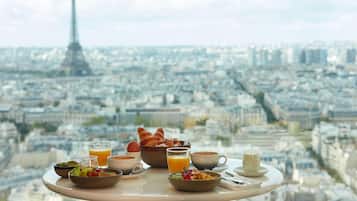
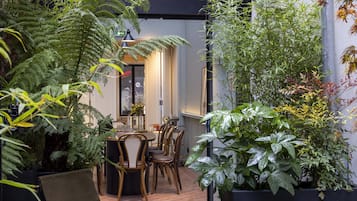
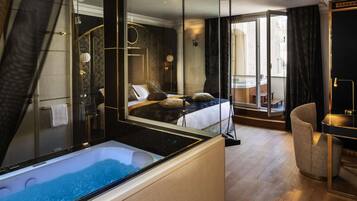
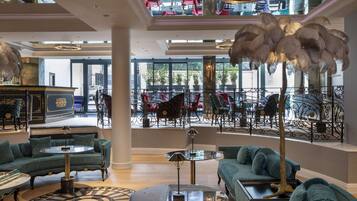
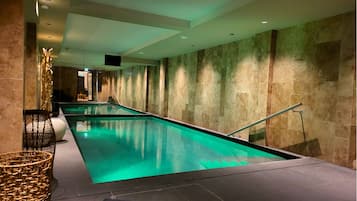
Det 5-stjernede Paris j'Adore Hotel & Spa, med en fremragende bedømmelse på 9,6, er fantastisk for dem, der søger en luksuriøs oplevelse. Gæster roser ofte dets vidunderlige spabad og værelser, samt det utrolige personale. Hotellet tilbyder en restaurant med udsigt til haven, roomservice døgnet rundt, parkeringsservice, badekåber, designertoiletartikler og regnbrusere. Det er også bekvemt beliggende nær shoppingområder og seværdigheder såsom Place de Clichy og Museum of Romantic Life.
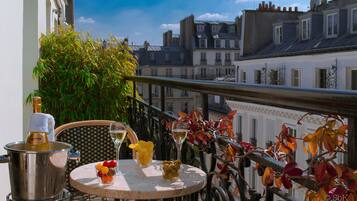
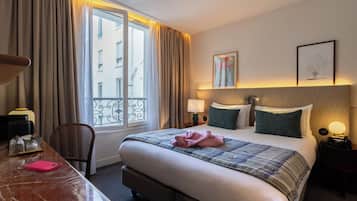
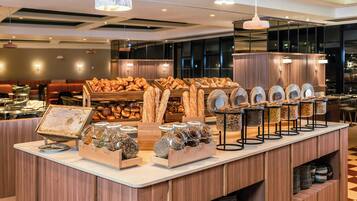
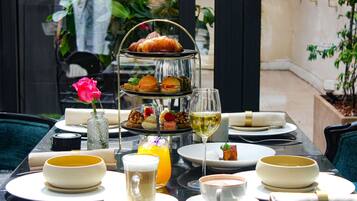
Et andet fremragende valg er det 4-stjernede Dadou Paris, også med en imponerende bedømmelse på 9,6. Rejsende fremhæver konsekvent det venlige og fantastiske personale, den bekvemme og gode beliggenhed og de smukke, rene værelser. Morgenmaden, inklusive buffeten, modtager også høje anbefalinger. Faciliteter inkluderer aircondition, premium sengetøj, champagneservice, regnbrusere, roomservice døgnet rundt og badekåber. Det ligger meget tæt på Triumfbuen, kun 0,2 km væk.
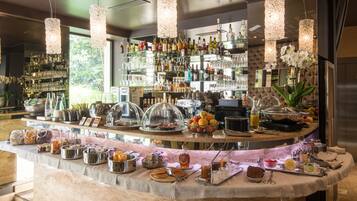
Det 4-stjernede Hôtel Les Jardins de La Villa, bedømt 9,0, roses for sine rene og store værelser, venlige og hjælpsomme personale og gode morgenmad. Bruseren modtager også fremragende feedback. Dette hotel tilbyder premium sengetøj, designertoiletartikler og badekåber og ligger nær et shoppingområde. Det er kort afstand fra Triumfbuen, ca. 1,0 km væk.
For et luksuriøst ophold er det 5-stjernede Maison Albar Hotels Le Champs-Elysées, med en bedømmelse på 8,8, en fantastisk mulighed. Gæster roser ofte det venlige og fantastiske personale, de super behagelige senge og den fantastiske mad. Dette hotel tilbyder badekåber, premium sengetøj, designertoiletartikler og private indendørs spabade. Dets beliggenhed er enestående, kun 0,2 km fra Triumfbuen.
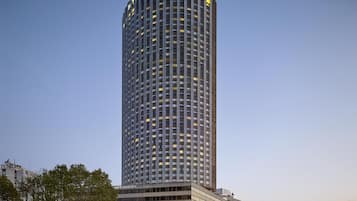
Endelig er det 4-stjernede Hyatt Regency Paris Etoile, bedømt 9,2, meget elsket for sit venlige og hjælpsomme personale, store og fantastiske værelser og gode beliggenhed. Kundeservicen og faciliteterne modtager også fremragende feedback. Dette hotel tilbyder en restaurant, der er åben døgnet rundt, premium sengetøj og et indkøbscenter på stedet, sammen med roomservice døgnet rundt. Det ligger 1,1 km fra Triumfbuen.