
Tegalrejo
Rejseguide

Besøg Tegalrejo

Hotel Tentrem Yogyakarta
Jl. P. Mangkubumi 72A Yogyakarta Yogyakarta
Prisen er 898 kr. pr. nat fra 18. okt. til 19. okt.
898 kr.
18. okt. - 19. okt.
inkluderer skatter og gebyrer
Overnat på dette hotel med luksusfaciliteter i Yogyakarta. Nyd godt af gratis morgenmad, gratis Wi-Fi og gratis parkering. De populære seværdigheder Jalan Malioboro ...

Yogyakarta Marriott Hotel
Jalan Ringroad Utara, Condong Catur Depok
Prisen er 788 kr. pr. nat fra 2. nov. til 3. nov.
788 kr.
2. nov. - 3. nov.
inkluderer skatter og gebyrer
Overnat på dette hotel med luksusfaciliteter i Depok. Nyd godt af gratis Wi-Fi, gratis parkering og spa med fuld service. Vores gæster fremhæver især det hjælpsomme ...
9,4/10 Enestående! (299 anmeldelser)
"Dejligt hotel. Super service - men mange gæster"
Anmeldelse fra 27. sep. 2025

Hyatt Regency Yogyakarta
Jalan Palagan Tentara Pelajar Ngaglik Yogyakarta
Prisen er 495 kr. pr. nat fra 28. okt. til 29. okt.
495 kr.
28. okt. - 29. okt.
inkluderer skatter og gebyrer
Overnat på dette resort med luksusfaciliteter i Ngaglik. Nyd godt af gratis Wi-Fi, gratis parkering og spa med fuld service. De populære seværdigheder Jalan ...
9,2/10 Fantastisk! (389 anmeldelser)
Great value - beautiful hotel - highly recommended
"Was extremely surprised by this place. Its a BEAUTIFUL hotel, and the fishing pond was my sons favorite on our trip through south east asia :-) The hotel and the grounds is 11/10, rooms are a bit outdated though and it was easy to hear ones neighbours... other than that the breakfeast and surroundings ..."
Anmeldelse fra 31. jul. 2019
Den laveste pris pr. nat baseret på 2 voksne for 1 nat, som er fundet inden for de seneste 24 timer. Priser og tilgængelighed kan ændres uden varsel. Yderligere vilkår kan gælde.

Allure Villa Yogyakarta
Jl. Jambon Tengah Yogyakarta Jogja
Overnat i denne villa med forretningsvenlig profil i Yogyakarta. Nyd godt af gratis Wi-Fi, gratis parkering og private pools. De populære seværdigheder Jalan ...

Oakwood Yogyakarta
Jl. A.M. Sangaji No.36, Yogyakarta
Overnat på dette lejlighedshotel med luksusfaciliteter i Yogyakarta. Nyd godt af gratis parkering, morgenmad og roomservice (døgnet rundt). De populære seværdigheder ...

House with 3 BR near XTSquare @Nitikan HouseA
Jogja Jogja
Overnat i denne feriebolig i Yogyakarta. Nyd godt af aircondition. De populære seværdigheder Jalan Malioboro og Lapangan Karang Kotagede ligger i nærheden.
Den laveste pris pr. nat baseret på 2 voksne for 1 nat, som er fundet inden for de seneste 24 timer. Priser og tilgængelighed kan ændres uden varsel. Yderligere vilkår kan gælde.
Overnat nær populære seværdigheder i Tegalrejo
Oplevelser

Garanteret tur til Borobudur og Prambanan – alt inkluderet
146 kr.
pr. voksen
Anbefales af 100% af rejsende
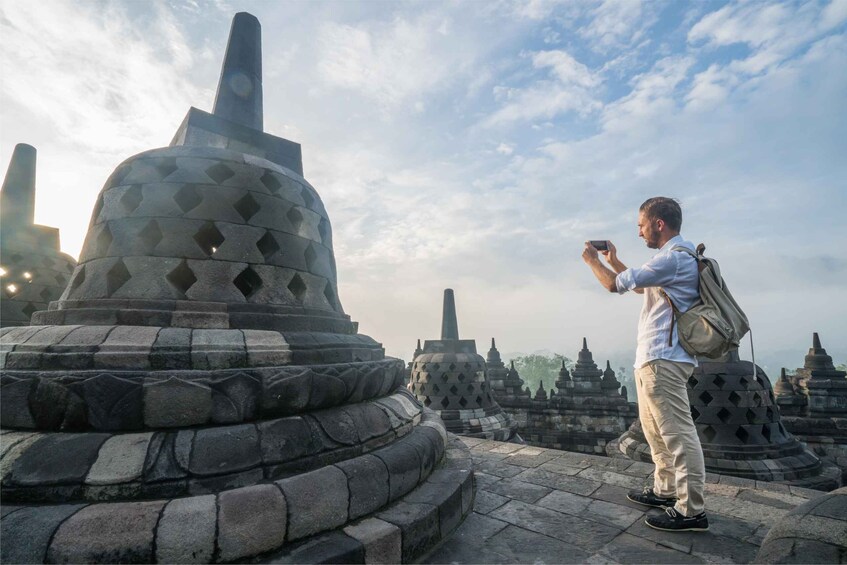
Yogyakarta: Borobudur solopgang (opklatring sikret) & Prambanan
309 kr.
pr. voksen

Borobudur Solopgang fra Setumbu Hill, Merapi Volcano & Prambanan Heldagstur
855 kr.
pr. voksen


Garanteret Borobudur klatre adgang & Prambanan lille gruppe tur
219 kr.
pr. voksen

Yogyakarta: Borobudur solopgang (garanteret opstigning) & Prambanan
108 kr.
pr. voksen
Anbefales af 100% af rejsende