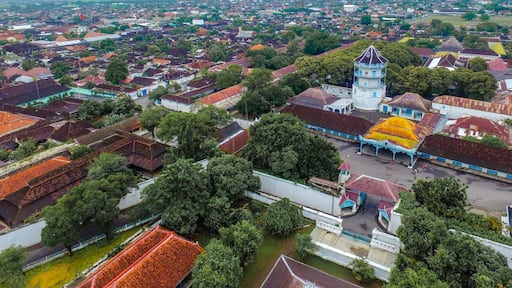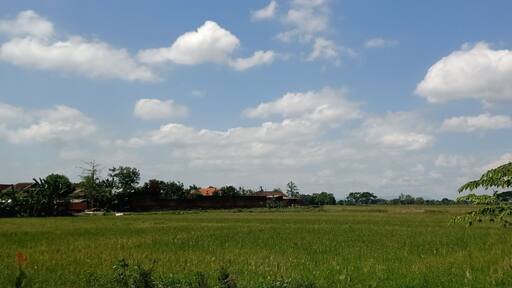

Laweyan
Rejseguide
Besøg Laweyan

Alila Solo, Java
Jl. Slamet Riyadi No. 562 Surakarta Central Java
Prisen er 518 kr. pr. nat fra 14. okt. til 15. okt.
518 kr.
14. okt. - 15. okt.
inkluderer skatter og gebyrer
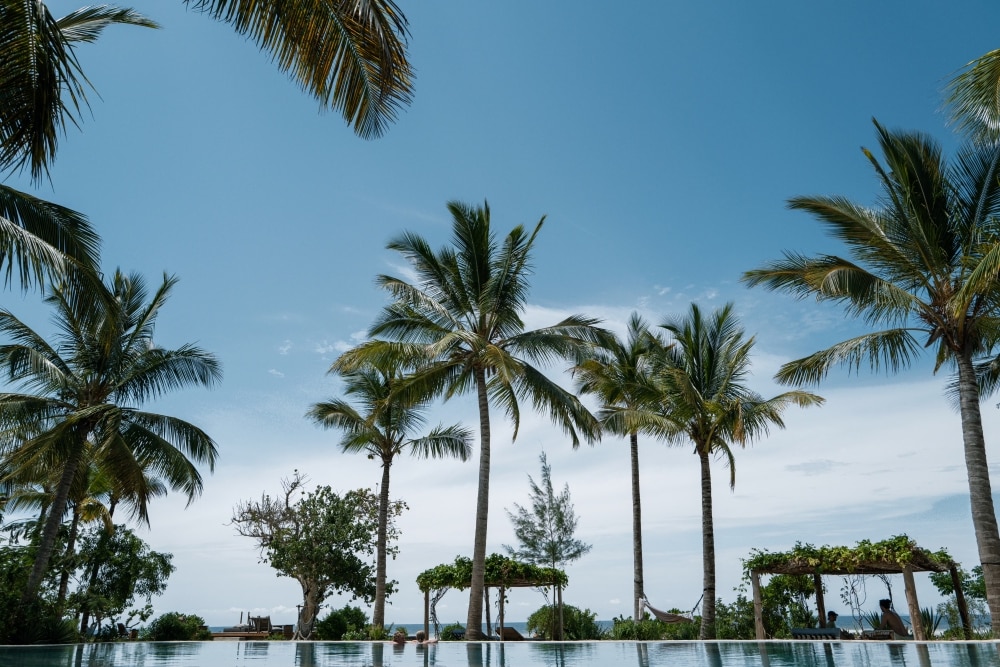
Overnat på dette hotel med luksusfaciliteter i Surakarta. Nyd godt af gratis Wi-Fi, gratis parkering og spa med fuld service. De populære seværdigheder Solo ...
9,2/10 Fantastisk! (154 anmeldelser)
"Hotel was very clean and staff very helpful. Beautiful view from the room and the pool was amazing. A lot of food options at breakfast. Definitely recommend and will stay here again."
Anmeldelse fra 22. sep. 2026

The Sunan Hotel Solo
Jl. Ahmad Yani 40 Surakarta Central Java
Prisen er 373 kr. pr. nat fra 11. okt. til 12. okt.
373 kr.
11. okt. - 12. okt.
inkluderer skatter og gebyrer
Overnat på dette hotel med spa i Surakarta. Nyd godt af gratis Wi-Fi, 3 udendørs pools og spa med fuld service. De populære seværdigheder Solo Plads og Balekambang ...
7,4/10 Godt! (6 anmeldelser)
"Comfortable room"
Anmeldelse fra 28. nov. 2023

Mercure Solo
Jl Slamet Riyadi 437 Surakarta Central Java
Prisen er 248 kr. pr. nat fra 14. okt. til 15. okt.
248 kr.
14. okt. - 15. okt.
inkluderer skatter og gebyrer
Overnat på dette hotel med spa i Surakarta. Nyd godt af gratis Wi-Fi, gratis parkering og spa med fuld service. De populære seværdigheder Solo Plads og Solo ...
Den laveste pris pr. nat baseret på 2 voksne for 1 nat, som er fundet inden for de seneste 24 timer. Priser og tilgængelighed kan ændres uden varsel. Yderligere vilkår kan gælde.

Standard Dobbelt På Griya Kencana Hotel
Solo
Overnat i denne feriebolig i Surakarta. Nyd godt af gratis Wi-Fi, kabel-/satellit-tv og aircondition. De populære seværdigheder Loji Gandrung og Solo Paragon ...
Standard Dobbelt På Griya Kencana Hotel
Solo
Overnat i denne feriebolig i Surakarta. Nyd godt af gratis Wi-Fi, kabel-/satellit-tv og aircondition. De populære seværdigheder Loji Gandrung og Solo Paragon ...

Familie Luksus Suite med gratis WiFi og
Solo
Overnat i denne feriebolig i Surakarta. Nyd godt af gratis Wi-Fi, kabel-/satellit-tv og aircondition. De populære seværdigheder Solo Plads og Balekambang Bypark ...
Den laveste pris pr. nat baseret på 2 voksne for 1 nat, som er fundet inden for de seneste 24 timer. Priser og tilgængelighed kan ændres uden varsel. Yderligere vilkår kan gælde.
Overnat nær populære seværdigheder i Laweyan
Oplevelser
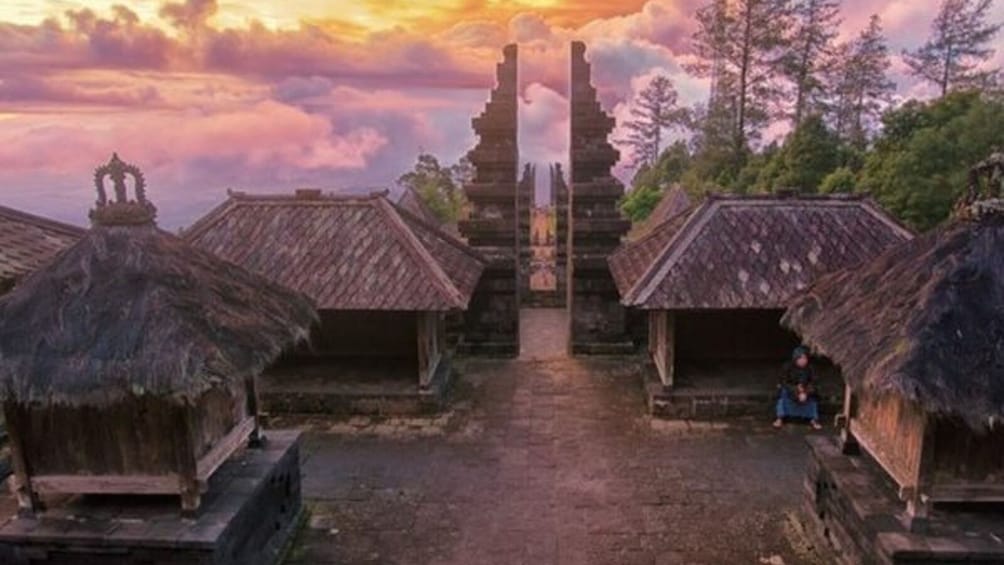
Solo Vintage-tur med Sukuh & Cetho-templet fra Yogyakarta
753 kr.
pr. rejsende